Web Design for HVAC Companies in Canada
Web design for HVAC companies Canada: separate repair and installation enquiries, show true coverage and test mobile calls. Plan a clearer contractor site.
An HVAC website should distinguish repairs, installations, maintenance, and emergency availability where offered. Explain real coverage, show genuine credentials and reviews, and provide an easy mobile call or assessment request. Fast forms can start a conversation but should not promise a final quote without assessment. Measure suitable calls and booked visits, not traffic alone.
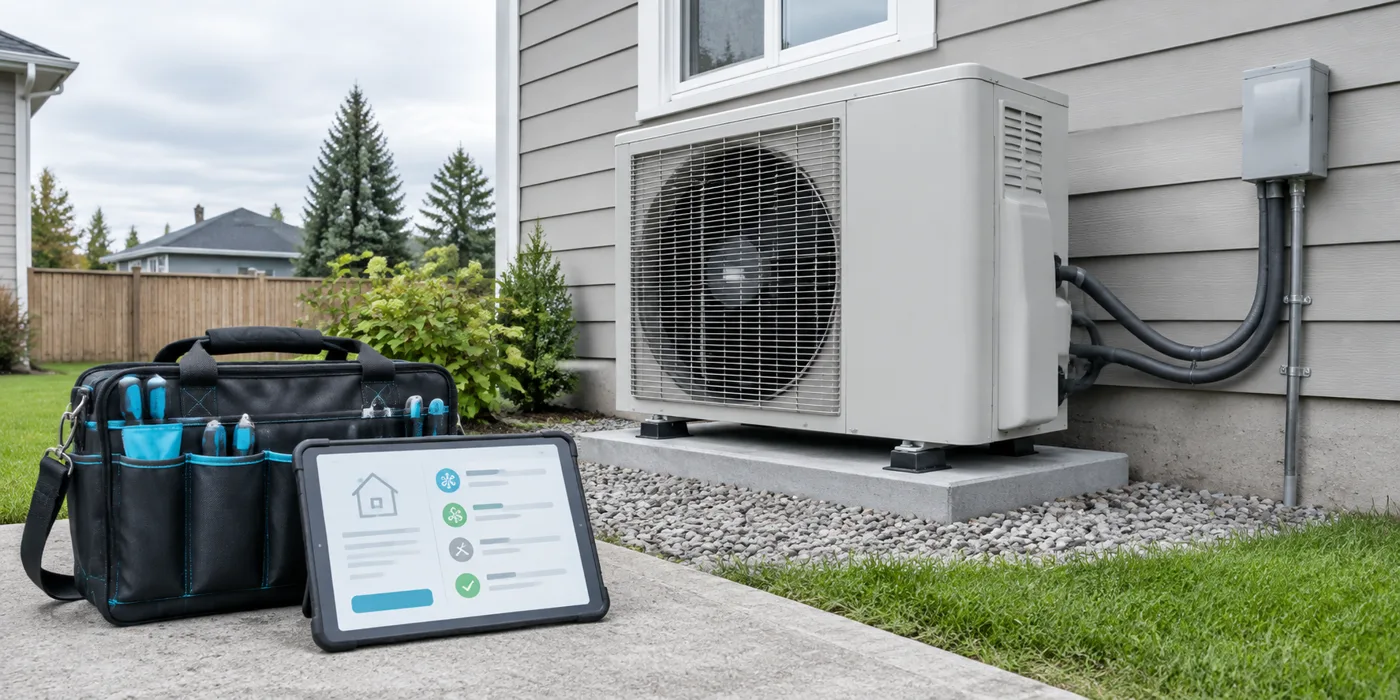
Web design for HVAC companies in Canada should route the right request
Web design for HVAC companies in Canada needs to help visitors distinguish a repair problem from a replacement or maintenance enquiry. Someone concerned about equipment performance needs a different next step from someone planning an installation. Explain the services you actually offer and how to begin safely. Do not make the website look like an emergency dispatch service if your team cannot provide that coverage. This guide focuses on national website planning for a mixed HVAC workload, particularly routing and expectations. Local market advice can complement it, but copying a Lower Mainland page into every Canadian city would not add useful information. Start with your real service area, equipment scope, office process, and assessment requirements. A clear website cannot diagnose equipment remotely or replace appropriate professional advice; it can help a suitable customer reach the right conversation without misunderstanding your availability.
Separate repairs, replacement assessments, and maintenance
Build distinct service explanations where the customer's questions differ. For repairs, explain the assessment and contact process without offering a diagnosis based on one symptom. For installations, describe the consultation needed to assess suitability and scope. For maintenance, state what your actual service includes and how appointments are arranged. Avoid implying that every system, brand, or property type is covered when it is not. Use plain customer language alongside necessary technical terms. Explain exclusions and work that requires another specialist. Keep claims about efficiency, savings, rebates, and equipment performance tied to current reliable documentation and applicable conditions. A product photograph is not proof that a customer will achieve a particular bill reduction. Accurate scope gives the office better-qualified requests and prevents the website from setting expectations the technician has to undo during the visit.
Make emergency contact truthful and prominent when applicable
If you genuinely offer emergency or after-hours service, provide a clear phone action with the actual coverage and arrangements. State limitations that affect availability. Do not promise around-the-clock dispatch merely because an emergency button may increase calls. If the office is not continuously staffed, make the normal contact process understandable and avoid describing a message form as immediate assistance. Safety-related concerns need appropriate urgent guidance from the relevant authorities or emergency services, not a marketing form that may be read later. Avoid publishing DIY diagnostic instructions that could create danger. Test the call link on a handset and confirm the number and routing. If different enquiry types use different contact arrangements, label them clearly. A large red or bright button cannot compensate for an inaccurate promise; the website and actual response process need to agree.
Use quick forms to request an assessment, not invent a price
An “instant quote” form can be misleading when equipment condition, access, system suitability, and installation scope still need assessment. Offer a fast request for a conversation or visit instead, unless a genuine standard service and its pricing conditions support a fixed quote. Explain what happens after submission and which information your team needs first. Collect service type, general location, contact details, and a brief description where useful. Leave access codes, payment information, and detailed personal documents out of initial marketing enquiries. Photographs may help later discussion but are not a complete assessment. Test delivery, error messages, and the success state on mobile. The plumber website guide illustrates a similar need to route urgent and planned requests honestly. Keep the contact process short without implying that speed removes the need for professional evaluation.
Show credentials, reviews, and actual work clearly
Describe qualifications, registration, insurance, and manufacturer relationships accurately where applicable. Requirements differ by location and work type, so confirm the details your business needs to display. Do not use a badge suggesting an authorisation you do not hold. Keep information current when staff, coverage, or relationships change, and provide meaningful context rather than an unexplained wall of logos. Use genuine authorised project photos and explain the installation or service shown. Reviews should remain faithful to the customer's experience and have an identifiable source where appropriate. Ask for honest feedback consistently without incentives or selecting only positive customers. A useful trust section helps someone understand competence and communication. It should not promise that your crew can achieve the same outcome in every property or that a particular number of reviews guarantees search visibility.
Explain service coverage with useful local differences
A national company, a regional team, and a single-city operator need different coverage pages. State where technicians can actually work and which services are available there. Create a location page when it adds distinct support information, genuine local projects, or different contact arrangements. Avoid dozens of copies that only replace the city name. Maintain an eligible Google Business Profile in line with your operating model. Google's local ranking guidance discusses relevance, distance, and prominence; expanding a coverage list does not guarantee equal map placement everywhere. The contractor lead guide connects profile accuracy with the wider enquiry pipeline. Keep the website's service areas and phone destinations aligned with the office so customers do not receive conflicting answers after using a local page.
Test mobile speed and enquiry routing together
Use appropriately sized images, clear labels, and contact controls that remain stable as the page loads. A visitor should not wait for a large installation video before finding the phone number. Check ordinary phones and slower connections, not only a designer's desktop. Make important service and coverage information available as readable text. Then verify the whole path: choose a service, request an assessment, confirm delivery, and check who owns the reply. Review suitable requests separately from traffic totals and phone-button taps. If calls reach the wrong team, fix routing before increasing visibility. The contractor calendar guide covers capacity and appointment expectations. A fast website and clear contact action are useful foundations, but actual scheduling and follow-up determine whether the interested visitor reaches a booked assessment.
Build a site that reflects real HVAC operations
Prioritise service distinctions, truthful emergency availability, useful coverage, genuine evidence, and dependable contact delivery. Maintain equipment and offer information when it changes. Preserve useful existing URLs during a redesign and test any old service links. A focused current site is better than a larger one making claims your technicians and office cannot support. Cloud Peak Solutions, based in Vancouver BC, helps small businesses connect web design and local SEO with suitable enquiries. Book a free consultation to discuss your HVAC website's service structure and contact journey. Bring actual coverage, response arrangements, and common pre-visit questions. The aim is to help customers understand the next step, not guarantee installs, emergency availability, search positions, or results from an instant quote form.
Frequently Asked Questions
What should an HVAC website include?
Separate service explanations, truthful availability, accurate coverage, genuine credentials and evidence, and a dependable mobile contact path.
Should my HVAC site offer instant quotes?
Only when the real service and clear conditions support them. Otherwise offer a fast assessment request rather than a final price promise.
Can I advertise 24-hour emergency service?
Only if you genuinely provide it with the stated coverage and response arrangements.
Do I need a page for every city?
Only when pages add useful distinct local information. Avoid city-name copies without meaningful differences.
How should I measure HVAC website performance?
Track suitable calls, delivered requests, booked assessments, and accepted work rather than traffic or phone taps alone.
About the Author
Moe Siksik, founder of Cloud Peak Solutions, helps small businesses across Canada and the US build websites and digital marketing strategies that generate real leads.
Related articles
- Web DesignWeb Design Services in Brampton — Built for Local Small Businesses in 2026
- Web DesignWeb Design for Courier and Delivery Companies — How to Get More Bookings From Your Website
- Web DesignWhat Questions Should I Ask a Web Design Agency Before Hiring? (Reddit Checklist + Red Flags)
- Web DesignWeb Design Trends in Canada for 2026 — What Small Businesses Need to Know
Ready to grow your business online? Let's talk.
Cloud Peak Solutions offers free strategy calls for small businesses across Canada and the US.
Book a Free Consultation