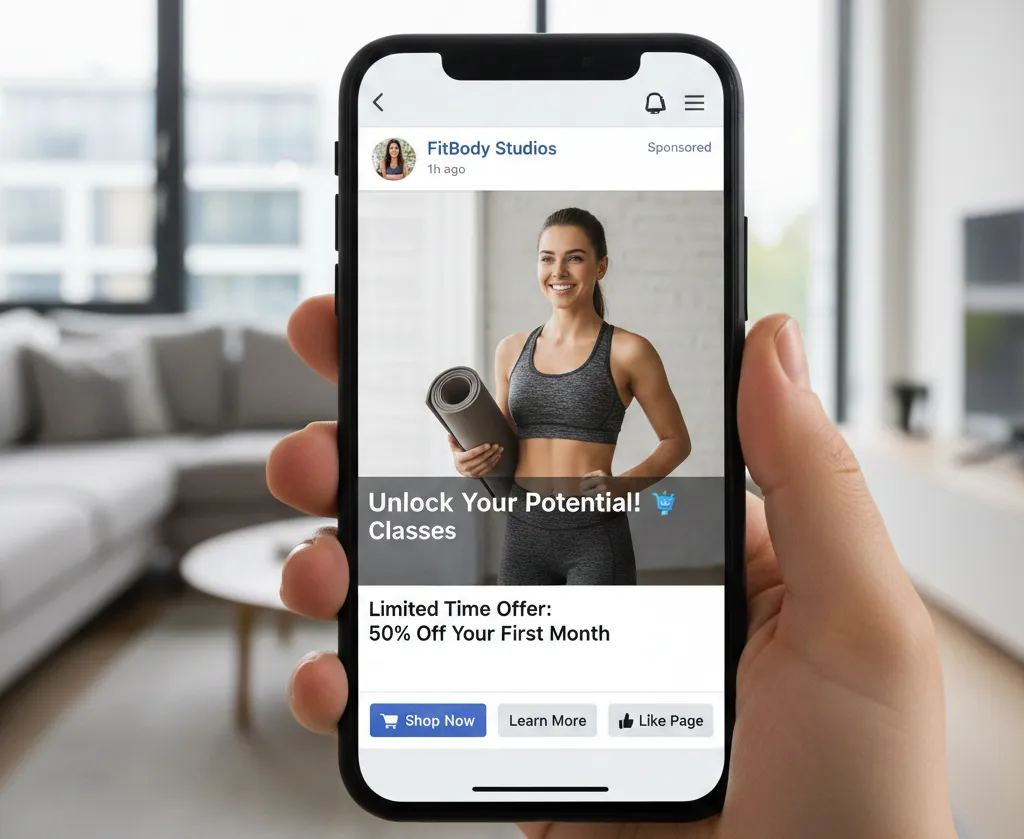
What are FB Ads | Will Facebook ads be profitable in 2026?
Facebook ads have been around for years, but many marketers and business owners are confused in 2026. With rising advertising costs, AI tools, and new platforms like TikTok and YouTube Shots, people are asking serious questions: Are Facebook ads still profitable? Are they effective? Or are they a scam?

What are Facebook ads and how will they work in 2026?
Facebook ads are paid advertisements shown on Facebook, Instagram, Messenger, and Meta's partner apps. In 2026, these ads will be primarily powered by artificial intelligence and machine learning, meaning Meta automatically optimizes ads to reach people most likely to take action.
Advertisers can target users based on age, location, interests, online behavior, past purchases, and even engagement history. Facebook ads now focus more on conversion signals like purchases, sign-ups, and leads, rather than just clicks.
The platform has become smarter than ever, but competition has also increased. This means that good ads are highly successful, while poor ones quickly fail.
Will Facebook ads be profitable in 2026?
Yes, if you use Facebook ads correctly, they will still be profitable in 2026. They're no longer a quick way to make money, but rather a serious marketing tool. Businesses that understand their target audience and create compelling creative can see continued growth.
For small businesses, Facebook advertising is still one of the cheapest ways to reach millions of people in the U.S. You can start with just $5-10 per day and increase it as you see results.
However, if you run ads without testing, research, or strategy, they can prove costly. Facebook ads reward patience, data analysis, and creativity rather than guesswork.
How successful are Facebook ads, really?
Facebook ads are highly successful with properly designed campaigns. Many US-based businesses have reported a 2- to 5-fold return on ad spend (ROAS) with optimized campaigns. Success depends on the quality of the offer, target audience, ad content, and landing page.
E-commerce brands, local services, coaches, and SaaS companies still rely heavily on Facebook ads. Retargeting campaigns showing ads to people who have already visited your site are particularly powerful.
Facebook ads aren't magic, but they are one of the most reliable and scalable advertising platforms available in 2026.
Are Facebook ads more effective than other platforms?
Facebook ads remain effective thanks to user data and intent-based targeting. Unlike Google Ads, where users search for solutions, Facebook ads create demand by showing products before people even search.
This makes Facebook ads ideal for brand awareness, impulse buying, and visual products. Short videos, Reels ads, and carousel ads will perform exceptionally well in 2026.
Combined with Instagram ads, Facebook becomes a full-funnel marketing system, handling awareness, engagement, and conversions all in one place.
Are Facebook ads a scam?
Facebook ads themselves aren't a scam. Meta is a multi-billion dollar company used by global brands like Nike, Amazon, and Apple. Scams usually come from fake marketers, courses, or unrealistic promises, not the platform itself.
People fall short by expecting instant sales or relying on untested strategies that promise overnight success. Incorrect targeting, poor creative, and fake gurus create the illusion of fraud.
If used professionally and patiently, Facebook advertising is one of the most legitimate advertising systems online.
Why do most people fail with Facebook ads?
Most failures are caused by ignoring the basics. They target too broad an audience, use generic ad content, or send traffic to weak landing pages. Facebook ads make what already exists whether good or bad even more effective.
Another mistake is giving up too early. Facebook's AI needs data to optimize, and many advertisers stop campaigns before the learning process is complete.
Success requires testing multiple ads, creatives, and audiences, then implementing the ones that work at scale. Facebook advertising is a process, not a one-time setup.
Facebook Ads Cost in 2026 (Detailed Analysis)
The cost of Facebook ads varies depending on the industry, competition, and target audience. In the US, the average cost per click ranges from $1 to $2.50, while clicks per mile (CPM) averages $7-$15.
Video ads often have a lower cost per impression and see better engagement. They may cost more to reach specific target audiences, but they tend to have better conversion rates.
The key isn't cheap clicks, but profitable clicks. A $2 click that generates a $50 sale is a win.
Facebook Ads vs. Google Ads (Which is Better?)
Facebook ads and Google ads serve different purposes. Google ads attract users with a strong purchasing intent, while Facebook ads generate interest and awareness.
Facebook ads are great for storytelling, visualization, and emotional marketing. Google ads work best when users are already looking for a solution.
In 2026, the smartest marketers will combine both platforms Facebook for demand generation and Google for demand capture.
The future of Facebook ads after 2026
Facebook ads are moving toward automation, AI creative, and AR experiences. Meta is investing heavily in predictive targeting and simplified campaign setup.
Advertisers who focus on authentic content and value-based messaging will succeed. Hard-sell tactics are no longer as effective.
Facebook ads are not going away but evolving, and the first to adopt new formats will gain a competitive advantage.
Frequently Asked Questions About Facebook Advertising
1. Are Facebook ads still beneficial for beginners?
Yes, beginners can benefit from Facebook ads, provided they start with a low budget and learn from the results. Testing different audiences and creatives helps understand what works best. With patience and the right targeting, even small campaigns can yield good results.
2. Can Facebook ads guarantee sales?
No advertising platform can guarantee sales. Facebook ads increase visibility and traffic, but conversions depend on your product, ad quality, and audience relevance. Continuous testing and optimization increase the chances of success.
3. Are Facebook ads better than TikTok ads?
It depends on your goals. Facebook ads are better for precise targeting and retargeting, while TikTok ads often perform better for viral reach. Many businesses use both platforms simultaneously for maximum impact.
4. How long does it take to see results from Facebook ads?
Most campaigns take 1-2 weeks to gather enough data for optimization. During this period, Facebook's AI learns which audiences respond best. Patience and continuous testing are key to long-term results.
5. Are Facebook ads still effective for local businesses?
Yes, Facebook ads are excellent for targeting local customers. Services like gyms, clinics, and restaurants can reach nearby customers through lead advertising and promotions. Properly targeted campaigns can lead to higher engagement and increased customer numbers.
Conclusion:
Facebook ads are still very powerful in 2026, but they only work well if you use them wisely. These are not a scam nor are they obsolete; they help businesses reach the right people, increase sales, and build brand awareness. The key to success is precise targeting, clear ad design, and testing different campaigns. Even a small budget can yield big results when used correctly.
If you focus on learning, patience, and optimization, Facebook ads can become one of your most profitable marketing tools. Whether your business is small or large, Facebook ads will certainly prove beneficial in 2026.